.png)
TYPHOON CLASS SUBMARINE
Technical telemetry and strategic analysis of Project 941 Akula (Typhoon Class SSBN) — the largest submarine class ever constructed in human history.
1. Introduction: The Titan of the Deep
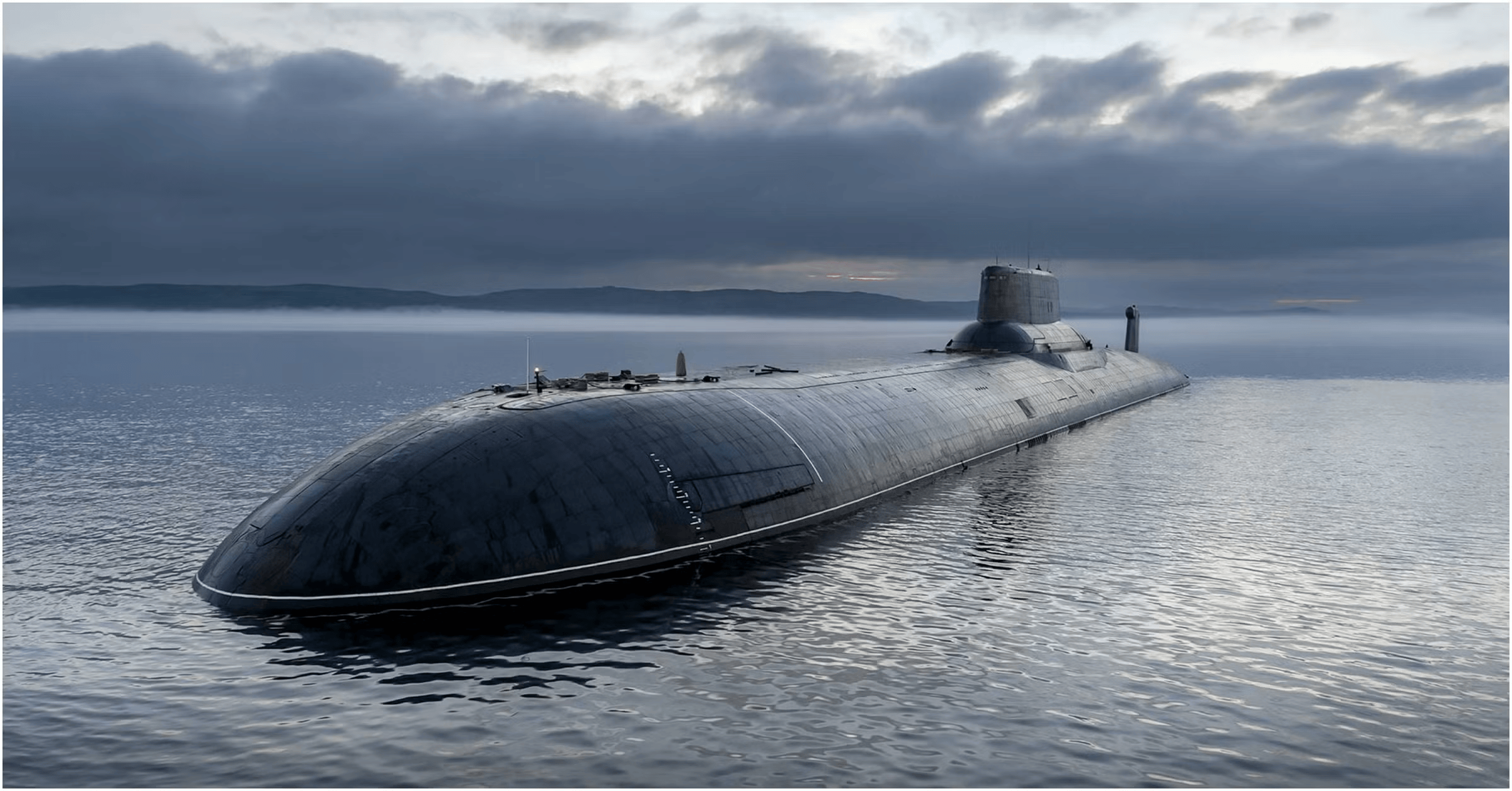
The Soviet-built Typhoon-class (Project 941 Akula) stands as the
largest submarine ever constructed in naval history, a true
titan of Cold War engineering. Measuring roughly 175 meters in
length with a submerged displacement exceeding 23,200 tons, it
dwarfs even a football field.
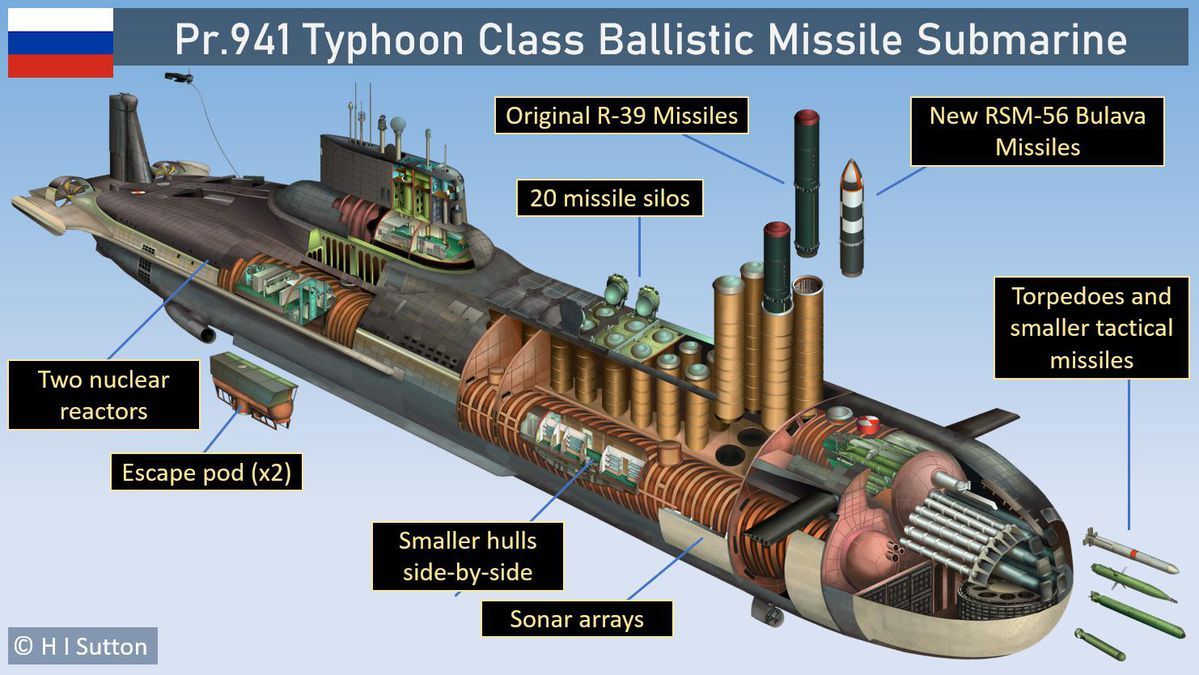
Its defining feature was a catamaran-style hull—two parallel
pressure hulls mounted side by side—giving the crew unusually
spacious living quarters, complete with a swimming pool, sauna,
and lounge, to sustain morale during long strategic patrols
beneath the Arctic ice. This unique design also improved
structural resilience for under-ice operations, allowing the
vessel to surface through thick ice when necessary. More than
just a vessel, the Typhoon-class was engineered as the ultimate
guarantor of nuclear deterrence, capable of delivering
catastrophic destruction from beneath the sea, making it one of
the most feared strategic assets of the 20th century.
2. Armament, Strategic Role & Destructive Power
The Typhoon-class derived its terrifying strategic weight from
the following systems:
i) R-39 Rif
(SS-N-20 Sturgeon) SLBM: Up to 20 missiles per submarine, each
fitted with MIRV technology carrying up to 10 nuclear warheads.
Each warhead yielded roughly 100 kilotons—about 6-7 times the
power of the Hiroshima bomb.
ii) Total
Destructive Capacity: A fully-loaded submarine could carry up to
200 nuclear warheads, sufficient to devastate dozens of major
cities across an entire continent within minutes.
iii) Torpedo
Systems: 533mm tubes for heavyweight torpedoes, enabling
self-defense against enemy submarines and surface ships.
iv)
Countermeasures: Decoys and electronic systems to evade sonar
and anti-submarine warfare assets, protecting the vessel long
enough to complete a retaliatory strike.
3. Stealth and Operational Tactics
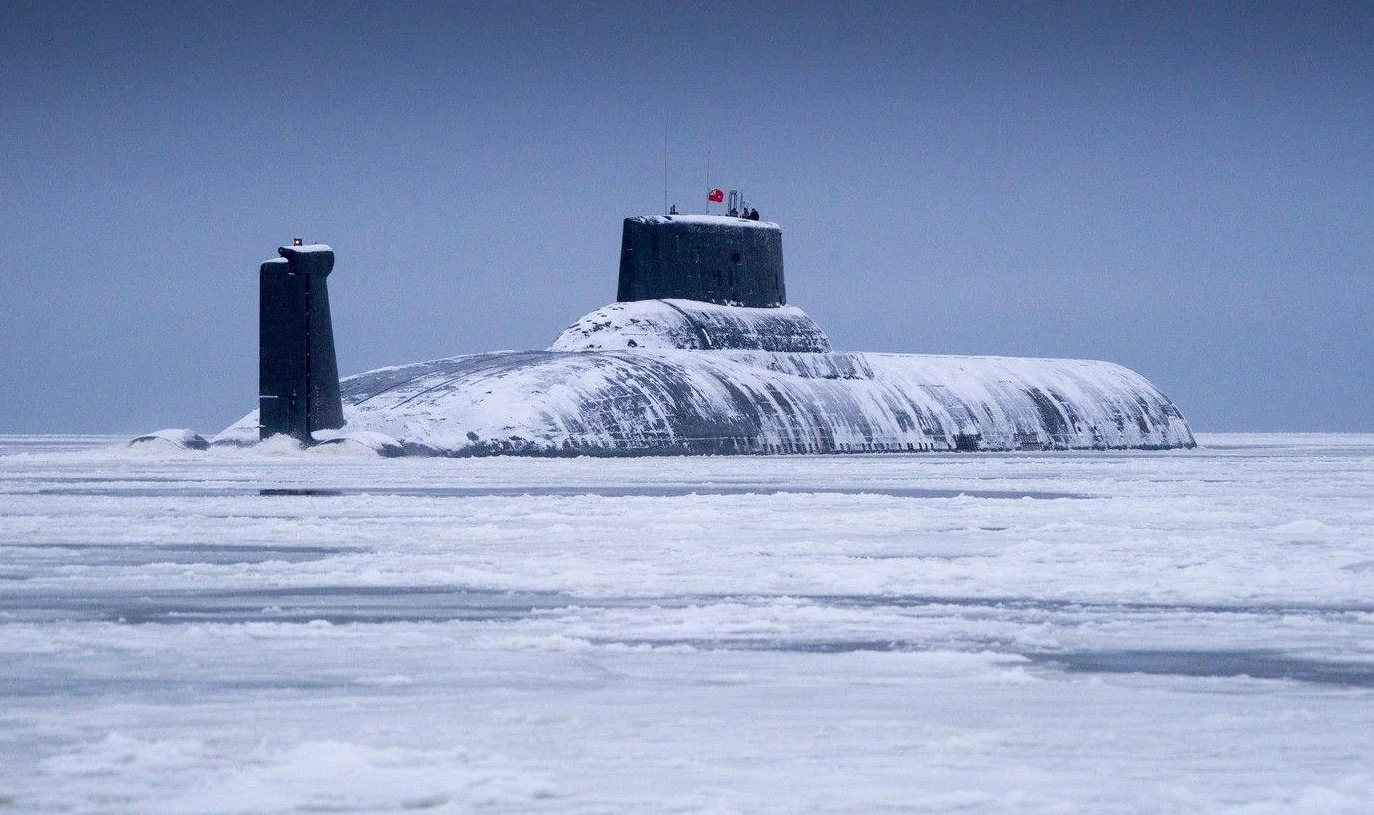
The Typhoon-class was purpose-built to operate for extended
periods beneath the ice-covered waters of the Arctic, using its
reinforced hull to break through thick ice sheets whenever a
missile launch was required. Despite its enormous size, the
submarine incorporated sound-dampening technology to reduce its
acoustic signature and lower the risk of detection. However,
analysts generally agree it remained somewhat noisier than
comparable Western submarines of its era, partly due to its
sheer bulk and dual-hull design.
Its principal operational tactic centered on prolonged "silent
patrols," during which the vessel would remain submerged and
undetected for months at a stretch. This approach preserved
strategic ambiguity, denying adversaries reliable knowledge of
its location, and reinforced the credibility of the Soviet
Union's nuclear deterrence posture throughout the final decades
of the Cold War.
4. Legacy and Current Status
Following the end of the Cold War, most Typhoon-class submarines
were decommissioned or scrapped due to mounting economic
constraints and shifting Russian strategic priorities in the
post-Soviet era. Maintaining such massive vessels proved
financially unsustainable for the newly formed Russian
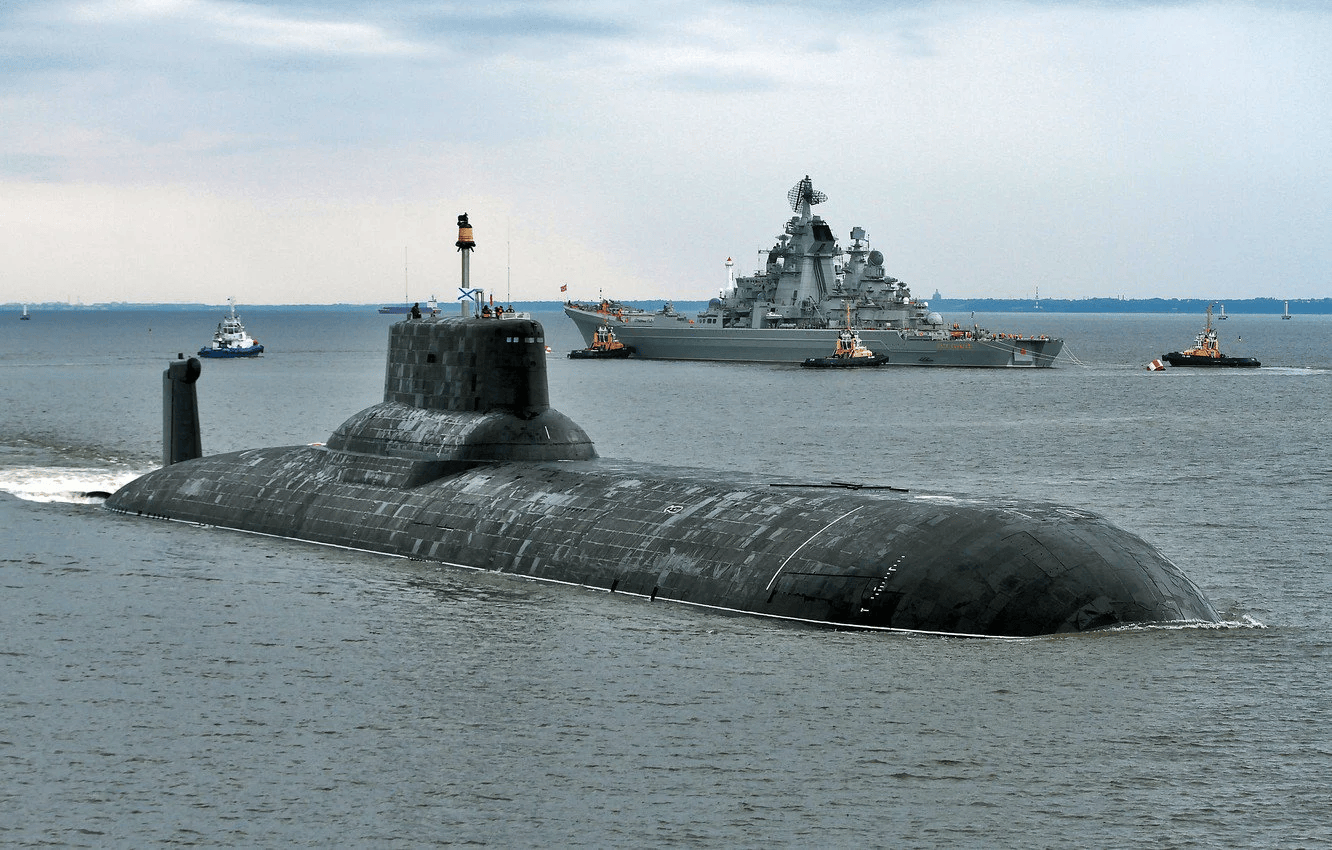
Federation. Today, only one unit, the Dmitri Donskoy, remains in
active service with the Russian Navy, primarily used for testing
and training purposes, most notably in trials of the newer
Bulava submarine-launched ballistic missile system.
Though technologically outdated by modern standards and largely
surpassed by newer submarine classes like the Borei-class, the
Typhoon-class endures as an enduring symbol of Cold War-era
engineering ambition. It remains a landmark achievement in
submarine design history and continues to captivate military
historians and naval enthusiasts worldwide.
3D Tactical Telemetry View
* Controls: Left-click + drag to rotate | Scroll to zoom | Right-click + drag to pan.